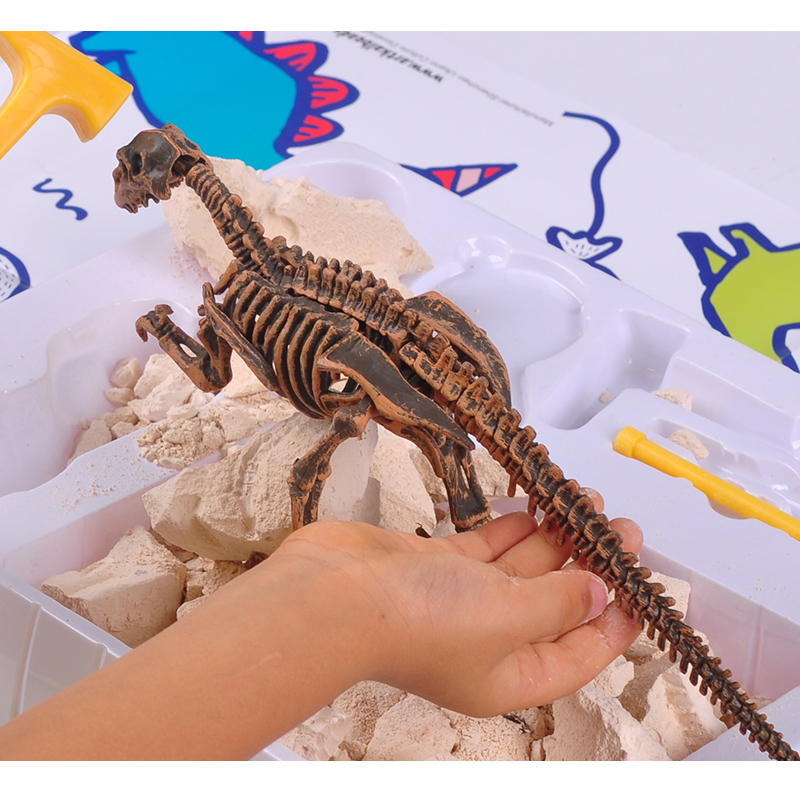
**Discovering Hidden Treasures: How Excavation Unearths Stunning Crystals**In a remarkable blend of natural wonder and human curiosity, the act of digging into the earth reveals more than just soil and rocks—it uncovers breathtaking crystals that captivate collectors, scientists, and enthusiasts alike. Recent explorations spotlight the fascinating process of excavating these natural gems, showcasing how strategic digging unveils crystal formations that have lain hidden for millennia.Crystals have long enchanted humanity, admired not only for their dazzling beauty but also for their unique scientific properties. These remarkable mineral structures form under specific geological conditions, often found deep within caves, mines, or secluded rock formations. However, accessing them requires more than casual digging—it demands expertise, precision, and an understanding of geological signs.The art and science of excavating crystals begin with thorough geological surveys. Experts analyze rock strata and mineral deposits, identifying promising sites where crystal growth is likely. Once a location is pinpointed, careful excavation ensues, employing delicate tools to gently remove surrounding material without damaging the fragile crystals. This meticulous approach contrasts starkly with traditional mining, where the focus is often on bulk extraction rather than careful preservation.Among the most prized finds discovered through such excavation are quartz, amethyst, calcite, and fluorite crystals. Each type presents unique characteristics: quartz crystals are renowned for their clarity and are widely used in technology and jewelry; amethyst captivates with its rich purple hues; calcite impresses with its varied forms and colors; while fluorite offers vibrant shades ranging from deep purple to green. The natural beauty of these crystals adds significant value to scientific collections and decorative arts.Beyond aesthetics, crystals hold scientific importance. Their atomic structures, growth patterns, and chemical compositions provide insights into the geological history of Earth. For researchers, excavated crystals serve as natural archives, offering clues about ancient environmental conditions, temperature fluctuations, and mineral formation processes. Such knowledge advances fields from geology to environmental science.The excavation and discovery of crystals also fuel economic opportunities. Crystal mining and collection support niche markets, including gemstone trading, jewelry design, and tourism. Areas known for abundant crystal deposits increasingly attract visitors eager to witness or even partake in excavation activities. This phenomenon fosters local economies, encouraging the preservation of geological sites and promoting educational initiatives about earth sciences.Crucially, sustainable practices underpin responsible excavation efforts. Experts emphasize minimal environmental impact, advocating for controlled digging, site rehabilitation, and adherence to regulatory frameworks. Ethical excavation not only protects natural heritage but also ensures that future generations can marvel at these geological wonders.In the intersection of human endeavor and natural marvel, the act of digging up crystals transcends mere extraction—it becomes a journey of discovery, appreciation, and stewardship. As technological advancements continue to aid geological exploration, the potential to uncover ever more spectacular crystals grows, promising new chapters in the story of Earth's hidden treasures.For those intrigued by the allure of crystals, the message is clear: with careful excavation and respect for nature, the earth generously reveals its sparkling secrets, inviting us to explore and cherish the beauty formed over eons beneath our feet.
Read More